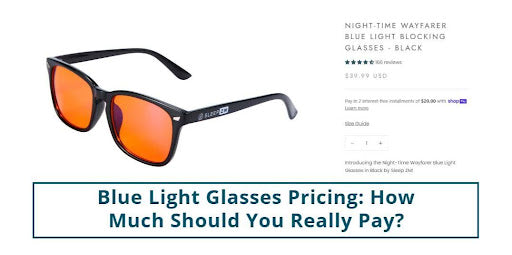
Blue Light Glasses Pricing: How Much Should You Really Pay?
If you spend multiple hours in front of screens every day, you’ve probably wondered whether blue light glasses are worth the investment.
More importantly, how much you should actually spend on them; with prices ranging from a few dollars to over 300 bucks, the market can feel overwhelming and confusing.
The comprehensive guide breaks down everything you need to know about blue light glasses pricing, helping you make an informed decision. After reading it, you won’t have to overspend.
Let’s get started.
Average Price Ranges: What to Expect
Blue light glasses come in different prices, depending on the features, quality, and additional features etc. Here’s a quick comparison table to help you get an idea:
|
Price Range |
Type |
What You Get |
|
$10-$30 |
Budget |
Basic blue light coating, simple frames, minimal warranties |
|
$30-$100 |
Mid-Range |
Better lens technology, durable frames, 30-50% blue light blocking |
|
$100-$300+ |
Premium |
Advanced filtering, designer frames, and comprehensive warranties |
|
$50-$400+ |
Prescription |
Customized lenses with blue light protection, depending on prescription complexity |
Again, the exact price of a pair can vary depending on various factors. For most users, the sweet spot sits between $30 and $75, where you’ll find quality lens technology without paying for brand markups or unnecessary features.
You often get a durable frame construction and effective protection within this price range.
Key Factors That Affect Pricing
Knowing what impacts the price of these glasses lets you identify where your investment is actually going and where you might be overpaying.
Lens Technology and Quality
The lens is where the real magic happens; it’s naturally the most important factor in pricing. Entry-level glasses use simple surface coatings that block less blue light. Advanced filtering offers better blocking, which tends to make them costlier. The percentage blocked can also affect the price.
Also, many blue light glasses come with additional coatings that make the product more valuable, and in turn, pricey. These include anti-glare coatings, scratch-resistant coatings, and UV protection coatings.
Frame Quality
Frame materials can impact both price and durability significantly:
- Plastic/acetate frames: Most affordable option, suitable for occasional use
- Metal frames: More durable, professional appearance, adds $20-$40 to cost
- TR-90 material: Flexible, lightweight, nearly unbreakable, common in mid-range options
- Designer materials: Premium finishes and luxury materials can triple the price without improving eye protection
Brand Positioning
Where you buy matters as much as what you buy:
- Generic brands: Lowest prices but inconsistent quality control
- Established eyewear brands: Reliable, but include retail overhead in pricing
- Designer labels: Paying mostly for name recognition and fashion appeal
- Direct-to-consumer brands: Best value by eliminating middleman markups
Prescription Needs

Adding prescription lenses to blue light glasses increases costs. Non-prescription blue light glasses will have a base price listed. Adding prescription lenses, such as single-vision prescription or progressive lenses, adds to that base price. Complex prescriptions can add to the price considerably.
Where to Buy: Popular Retailers and Pricing
There are countless options out there; online retailers like Warby Parker and Zenni Optical dominate, while stores like LensCrafters and Costco serve traditional shoppers.
Sleepzm: The Smart Alternative
Sleepzm offers the perfect balance between quality and affordability; here’s why it’s worth considering:
- Competitive pricing across all ranges without retail markups
- Complete selection from clear frames for daytime use to red and amber tints for evening protection
- Quality lens technology that blocks up to 100% of blue light, depending on your needs
- Transparent pricing with no hidden fees or surprise add-ons
- Variety for every lifestyle: Whether you need subtle, clear lenses for video calls or maximum-protection red tints for late-night work sessions
Explore Our Complete Collection of Blue Light Glasses Here

Are Expensive Blue Light Glasses Worth It?
The short answer is, not always. Premium pricing may not always reflect superior quality; it could reflect brand positioning.
This is why doing your due diligence before making a decision is so important; read customer reviews, double-check the blocking percentages, and make sure the frames are made of durable, comfortable materials.
The sweet spot for most people remains the $30-$75 range from reputable direct-to-consumer brands. This pricing tier delivers effective blue light protection, comfortable frames, and decent warranties without unnecessary premiums.
Related: Where to Buy Blue Light Glasses
Making Your Purchase Decision
Follow this framework to find your perfect pair:
- Assess your screen time: 6+ hours daily justifies spending $50-$100
- Set a realistic budget: Most people find excellent options between $30-$75
- Prioritize lens quality over brand recognition
- Verify the return policy before purchasing online
- Consider your timing needs: Clear lenses for day, red/amber for evening
Questions You Might Have
How Much Should I Spend on Blue Light Glasses?
For most people, $30 - $75 is a reasonable investment range. $100+ is for additional features like prescription lenses.
Are Cheap Blue Light Glasses Effective?
Quality varies significantly. Reputable budget options from direct-to-consumer brands can be just as effective as expensive alternatives, but avoid too cheap, no-name brands.
What's the Difference Between $20 and $100 Blue Light Glasses?
Primarily, frame quality, warranty coverage, and brand recognition. Lens technology is often comparable in the $20-$100 range from reputable sellers.
Where Can I Find Quality Blue Light Glasses at Affordable Prices?
Direct-to-consumer brands like Sleepzm offer the best value by eliminating retail markups while maintaining quality standards.
Should I Get Clear or Tinted Blue Light Glasses?
Clear lenses work best for all-day wear without color distortion, while amber and red tints block more blue light and are ideal for evening use before bed.
How Much Do Prescription Blue Light Glasses Cost?
Expect to pay $50-$400+, depending on prescription complexity, with single-vision options on the lower end and progressive lenses costing more.
Conclusion
Quality blue light glasses don’t have to break the bank. Understand what drives pricing and focus on lens technology rather than other factors like brand prestige.
Sleepzm offers a range of options for every need and budget, from clear computer frames to red tints for nighttime protection.
The key to an effective purchase when it comes to blue light glasses is matching your purchase to your actual needs, not overpaying for features you don’t need. Also, don’t underspend on protection that doesn’t work.


